

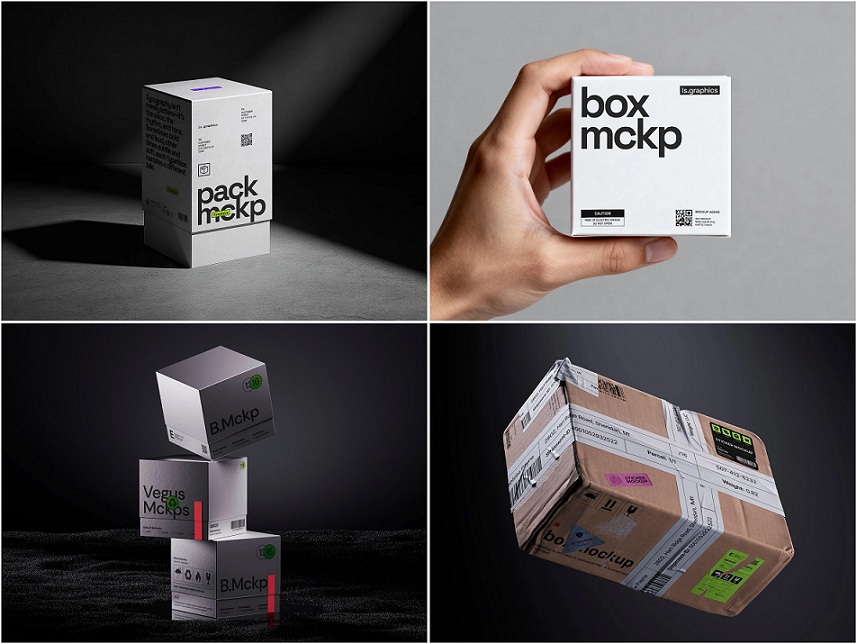
So you’ve got a product coming. Maybe it’s a limited-edition tea blend, a skincare line, or a board game you’ve been developing for two years in your spare bedroom. Whatever it is — the packaging is the first handshake between your brand and the world. And before your boxes ever touch a warehouse shelf, they need to live somewhere else first: on screens, in feeds, inside the imagination of your future customers.
That’s where box mockups come in.
Why Packaging Visuals Matter Before Launch Day
Here’s the thing about social media: people don’t buy products, they buy stories. A beautifully rendered box sitting on a marble surface with soft shadows and a clean background tells a story instantly. It says we care about details. It says this is worth your attention.
Pre-launch content is all about building anticipation without giving everything away. A teaser post showing just the corner of a box. A carousel of different angles. A Reel transitioning from concept sketch to polished render. These micro-moments accumulate into genuine excitement — and they don’t require you to have manufactured a single unit yet.
Mockups let you move fast and look expensive while doing it.
How to Actually Build Hype: A Strategy
The goal isn’t just to post pretty pictures. It’s to build a rhythm, a narrative, a reason for people to keep watching your brand’s feed.
Here’s a content arc that works:
- Week 1 — The Tease: Post a close-up crop of your box mockup. Show texture. Show color. Don’t show everything. Caption it with a question or a cryptic hint.
- Week 2 — The Reveal: Drop the full box render. Use multiple angles. Let people see the complete design for the first time.
- Week 3 — The Context: Show the box in a lifestyle scene — on a desk, inside a bag, next to complementary products. This is where customers picture themselves owning it.
- Week 4 — The Countdown: Create urgency. “Launching in 7 days” posts with the mockup graphic feel polished and professional.
This four-week arc keeps your audience engaged and turns passive scrollers into actual launch-day buyers.
Real-World Examples: How Brands Use Box Mockups
These aren’t hypotheticals — this is how real brands have leveraged packaging mockups before their products hit shelves.
Indie Skincare Brands on Instagram frequently use box mockups during crowdfunding campaigns. Before manufacturing is even confirmed, they post render after render building community feedback. Customers vote on color variants, comment on label placements, and feel invested in the product’s development.
Small-Batch Coffee Roasters launching seasonal blends use flat-lay box mockups styled with coffee beans, ceramic mugs, and linen textures to establish brand mood. The mockup does the heavy lifting — no photoshoot required.
Board Game Creators on Kickstarter post 3D box mockups at every update. The box is the hero image on their campaign page, across Twitter, and in their backer emails. The physical product doesn’t exist yet, but the visual excitement absolutely does.
Subscription Box Companies tease new monthly themes using branded box mockups weeks in advance. The unboxing experience — even when simulated — drives renewals and new sign-ups.
In each case, the box mockup isn’t a shortcut. It’s a strategic tool for storytelling before the product is physically available.
Box Mockup Resources on ls.graphics
If you want your launch visuals to genuinely impress, the mockup library at ls.graphics is worth exploring. Their box mockups stand out for premium quality and ultra-realistic rendering that makes digital scenes look indistinguishable from actual photography. Each file features organized layers, giving you full creative control without chaos. You get multiple angles, diverse color styles, and stylish minimalistic compositions that suit modern brand aesthetics perfectly. A standout feature is Edit Online — no Photoshop required, just browser-based customization. And if you want to experiment before committing, there’s a generous selection of free scenes to explore.
Making Your Mockups Work Harder on Social
A great mockup is just the starting point. How you deploy it matters just as much.
A few principles worth keeping in mind:
- Consistency builds identity. Use the same background palette or lighting style across your pre-launch posts so your feed looks cohesive.
- Context creates desire. A box floating on white is fine. A box next to a candle, a notebook, and a cup of tea tells a lifestyle story.
- Engagement invites ownership. Ask your audience to choose between two colorways, vote on a design detail, or guess what’s inside. When people interact with your mockup content, they become emotionally invested in the outcome — and emotionally invested people show up on launch day.
Always adapt your mockup format to the platform: square crops for Instagram grid, vertical formats for Stories and Reels, clean horizontals for Twitter and LinkedIn headers. One mockup file can fuel a dozen different content pieces if you approach it creatively.
Conclusion
Building hype before a product launch is equal parts strategy and aesthetics — and box mockups sit right at that intersection. They give you professional visuals without a full production budget, and they let your audience fall in love with your packaging before it ever ships. Whether you’re an indie creator or a growing brand, the tools exist to make your launch look like a major moment. Resources like ls.graphics make that process faster, more flexible, and genuinely enjoyable. Start early, post consistently, and let your box do the talking.