

If you live in Massachusetts, you are probably aware of how much the seasons shape your driving life. One month, you are cruising coastal roads, the next, you are scraping ice off your windshield.
For many drivers, this also means owning vehicles that only come out part of the year. These might include motorhomes, snowmobiles, off-road vehicles, or other recreational vehicles. For such seasonal or recreational vehicles, Massachusetts locals need seasonal insurance.
Understanding the ABCs of insuring seasonal vehicles in Massachusetts can save you money and stress. It can also help you avoid legal trouble. Many people assume they can simply cancel coverage when a vehicle is parked. Others forget about their seasonal or recreational vehicles entirely till the time comes to bring them out. Both approaches can cause problems.
Insurance rules are stricter than most people realize. Rates also change based on how you manage your policy. So, in this guide, we will walk you through everything Massachusetts locals should know about seasonal vehicle insurance.
What Does Seasonal Vehicle Insurance Really Mean?
In the US, the recreational vehicle market, by 2030, is expected to reach a market value of over $83,000 million. Massachusettsans are contributing fairly to this market. But, in the process of owning such seasonal vehicles, many of them forget about insuring them properly.
Seasonal vehicle insurance does not mean leaving your car or trailer uninsured for half the year. Instead, it means adjusting coverage based on how and when you use it. In Massachusetts, every registered vehicle must meet certain insurance rules. Even if you are not driving it, the state still expects basic protection.
When people talk about insuring seasonal vehicles in Massachusetts, they usually mean reducing coverage during off months. For example, you might lower liability limits, remove collision coverage, or switch to comprehensive only. This protects against theft, fire, and weather damage.
Many seasonal vehicles spend months in storage. Think of snowmobiles during summer or motorhomes during winter. While parked, they are still at risk as storms and accidents can happen anytime. That is why keeping some coverage matters.
Moreover, even when you’re driving the vehicle, you could end up causing property damage or injuries to others. According to Berlin Insurance Group, the right policies can provide coverage for bodily injury, property damage liability, and comprehensive and collision insurance.
The key idea is flexibility, not abandonment. Seasonal insurance helps you pay for what you need, when you need it.
Coverage for Recreational Vehicles and Specialty Rides
Massachusetts drivers often own more than just standard cars. Recreational vehicles are popular, especially during warmer months. These include motorhomes, campers, ATVs, and boats with trailers. Snowmobiles and off-road vehicles are also common in certain regions.
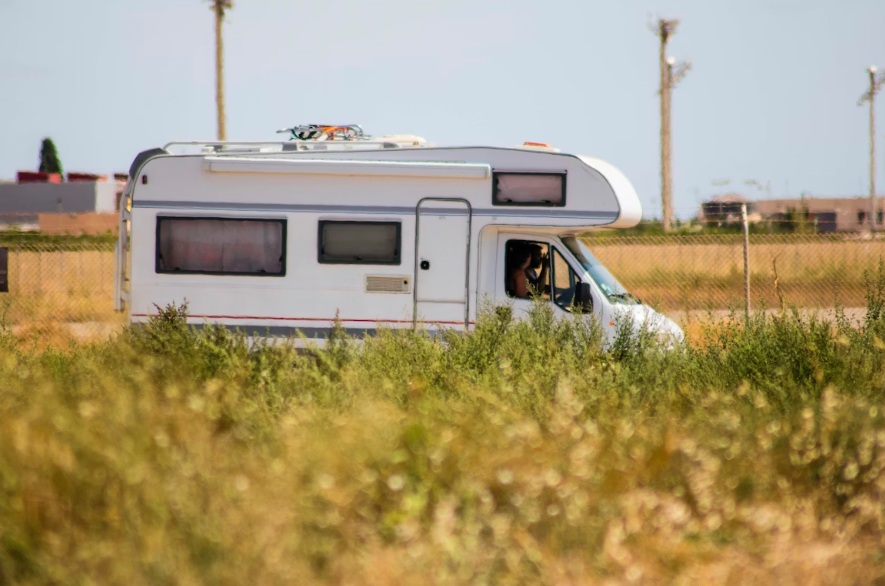
Each type of vehicle comes with its own insurance needs. For instance, RVs are part vehicle and part living space, and currently, over eight million American households own an RV, including many in Massachusetts. These vehicles usually require special policies. These often include personal property coverage and vacation liability.
Snowmobiles and off-road vehicles are another story. Many people assume they do not need insurance. In reality, coverage is strongly recommended. Some trails and parks even require you to have insurance before you can park in them or use their facilities. Seasonal policies work well here since usage is limited. Specialized insurers may offer seasonal plans tailored for such vehicles.
How Should You Manage Your Vehicle Policy Through the Changing Seasons?
One of the biggest mistakes drivers make is setting insurance once and forgetting about it. Seasonal coverage requires active management. You need to adjust your policy when your driving habits change.
In spring, many people take vehicles out of storage. This is the time to restore full coverage. Before you drive, confirm that liability, collision, and uninsured motorist coverage are active. Never assume your policy updates automatically.
In the fall, you can start scaling back. If your motorhome is going into storage, contact your insurer. Ask about switching to comprehensive only. If you own snowmobiles, this is when you increase coverage instead.
Timing matters. Even one uninsured day can cause problems. Massachusetts has strict reporting systems. If your registration and insurance do not match, you may face fines or suspensions.
It helps to set calendar reminders. Mark when each vehicle enters and leaves storage, and call your insurer a week in advance. This avoids rushed decisions and gaps in coverage.
What Should We Know About the Costs and Legal Rules Surrounding Vehicle Insurance in Massachusetts?
In Massachusetts, insurance is tightly regulated. Most registered vehicles must carry minimum liability insurance.
In fact, as of July 1, 2025, Massachusetts requires all registered vehicles to carry increased minimum liability insurance of 25/50/30. That means $25,000 per person, $50,000 per accident bodily injury, and $30,000 property damage.
If you want to fully cancel insurance, you usually need to return the plates. This is inconvenient for many owners of seasonal vehicles. That is why reduced coverage is often better than cancellation.
Seasonal adjustments can lower premiums significantly. Dropping collision coverage during storage can save hundreds each year. Storage policies also cost less than full plans. Some companies offer multi-vehicle discounts when you insure recreational vehicles together.
Another factor is location. Where you store your vehicle matters. A locked garage often leads to lower rates. Outdoor storage may increase comprehensive costs. Security devices can also help.
Massachusetts also tracks insurance electronically. The “Uninsured Motorist System” (UMS) ensures compliance before issuing or renewing registrations, allowing for digital, real-time verification. Any lapse is quickly noticed, which can lead to fines, license issues, and higher future premiums.
Seasonal vehicle insurance does not have to be confusing or stressful. With a little planning, you can protect your vehicles and your budget at the same time.
Insuring seasonal vehicles in Massachusetts is really about balance. You want enough coverage to handle risks, but you do not want to pay for protection you do not need.
Whether you own motorhomes, snowmobiles, off-road vehicles, or other recreational vehicles, the principles are the same. Adjust your policy with the seasons, keep comprehensive coverage during storage, and restore full protection before driving again.
Most importantly, think of insurance as part of responsible ownership. With the right approach, you can enjoy every season without worrying about fines, losses, or wasted money.