

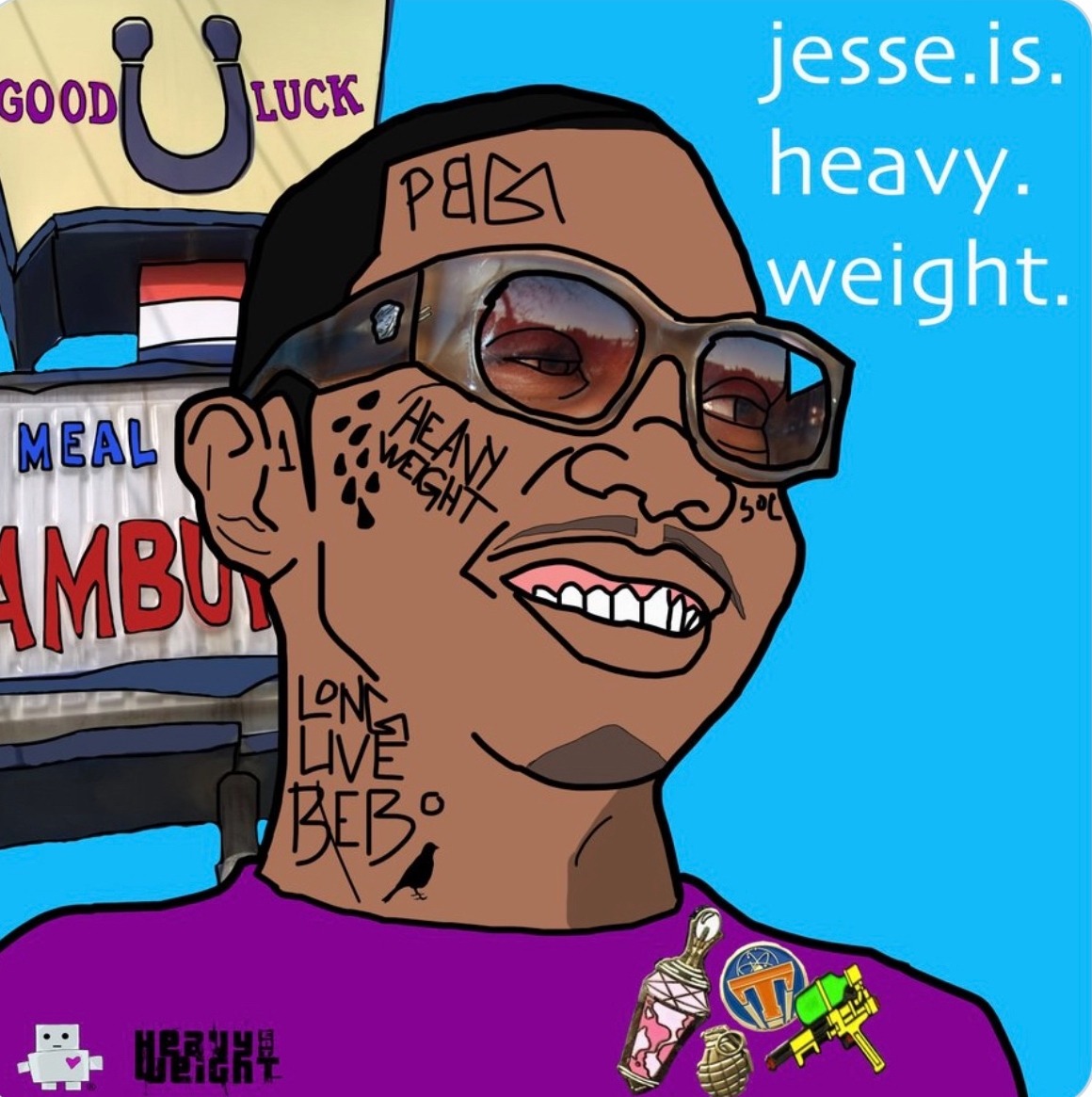
While most artists are still figuring out publishing splits, Jesse Is Heavyweight has built a multi-million dollar empire. We talked with him about Heavyweight Unlimited, strategic ownership, and why he invests in fashion and technology with the same energy he puts into music.
Let’s start with Heavyweight Unlimited. When people hear “unicorn company,” what does that actually mean in your context?
A unicorn is traditionally a startup valued at over a billion dollars. Heavyweight Unlimited isn’t just a record label or a management company—it’s an ecosystem. We have ownership stakes across music, fashion, and technology. The goal was never to just be an artist. It was to build infrastructure that outlasts any single album cycle or trend. When you own the infrastructure, you control your destiny.
How did you know when it was time to formalize this into an actual company structure?
When I realized I was making business decisions every day anyway, I might as well do it properly. After Howard, I understood the power of structure and discipline. I was already investing, already building relationships in different industries, already thinking five years ahead instead of five months. Formalizing Heavyweight Unlimited just gave those efforts a legal framework and a unified vision. Plus, when you’re talking to serious investors or potential partners, they want to see organization, not just hustle.
Let’s talk about TOIDI. How did you get involved with a luxury fashion house, and what does ownership actually look like there?
TOIDI came from seeing a gap in the market. Supreme dominated for years, but there’s room for multiple players in luxury streetwear if you understand culture and quality. I’m not a silent partner or a brand ambassador—I have actual equity. When TOIDI wins, I win financially. That’s the difference. Most artists get a check to wear something or post about it. I get a percentage of the company’s growth. You can see what we’re building at SignatureTOIDI.com—it’s not celebrity fashion, it’s legitimate luxury with serious craftsmanship behind it.
What made you confident enough to invest rather than just take an endorsement deal?
Because I’ve been counting other people’s money my whole life. Growing up the way I did, watching adults struggle with finances, I learned early to ask: “Who actually owns this?” Most artists don’t think that way. They see a brand deal as success. I see it as leaving money on the table. If you’re contributing real value—your audience, your credibility, your cultural influence—you should own a piece, not just get paid once. That’s the “ownership over optics” philosophy. I’d rather own 5% of something real than get paid $100K to post about something I’ll never benefit from long-term.
LIVE GENIUS is interesting because you’re moving into mobile technology. What attracted you to that space?
Mobile is where everything is heading. Music, commerce, communication—it all lives on phones now. LIVE GENIUS is being called “the brand of the future” for a reason. I can’t share too many details yet because we’re still in development, but the Series A funding shows serious institutional belief in what we’re building. For me, it made sense to get in early on technology that could reshape how artists connect with audiences, how transactions happen, how communities form. That’s infrastructure thinking again. Music gives me cultural currency. Technology lets me scale that currency into something that compounds.
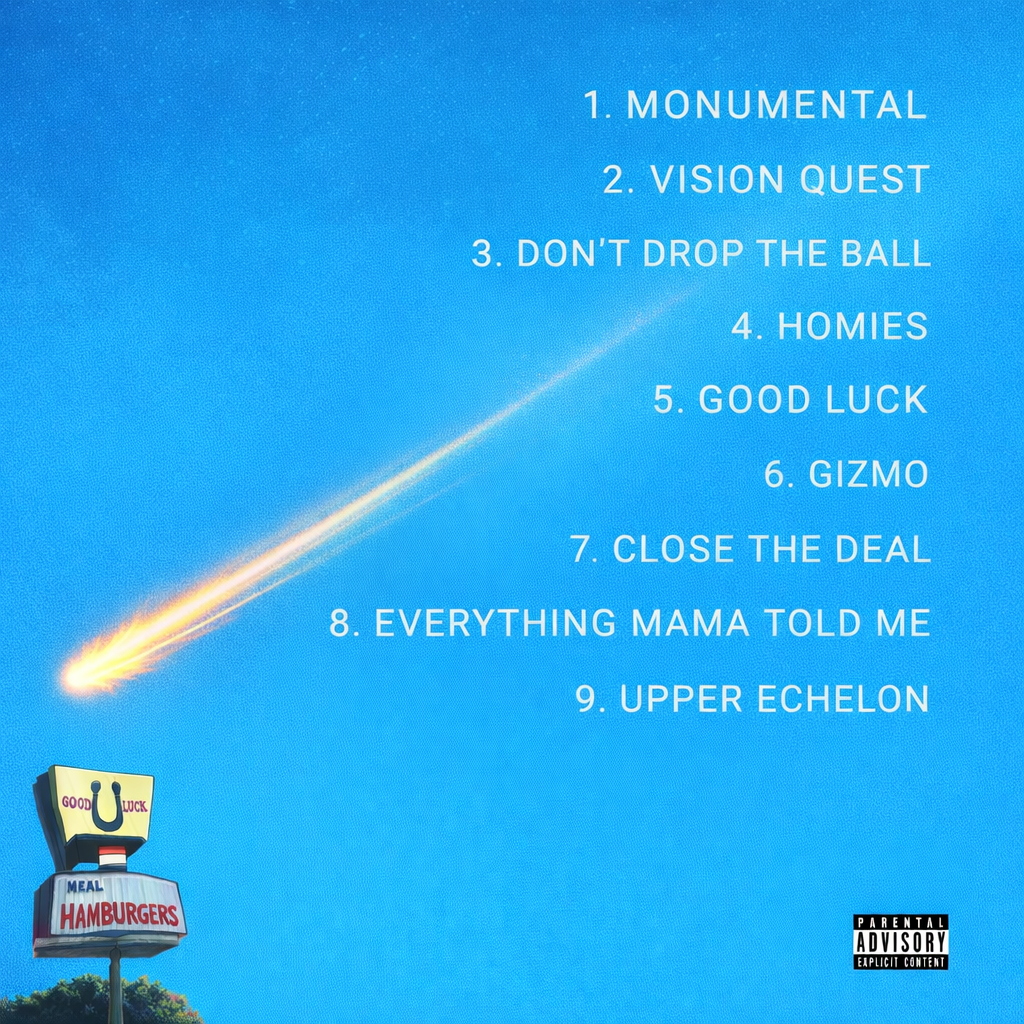
You’ve sold over 1,000 copies of Good Luck at $200 each through HeavyweightUnlimited.com. That’s a different business model than most artists use. How did you price that?
Value-based pricing. If you’re offering something truly premium—not just the music, but the story, the access, the experience—people will pay for it. LaRussell, Tech N9ne, Nipsey Hussle proved this model works. I studied what they did and adapted it. The key is you can’t charge premium prices for average product. Good Luck, which is also streaming on Apple Music, represents years of experience, survival, growth. People aren’t just buying an album. They’re buying into a journey, a community, a value system. That’s worth $200 to the right person.
How do you balance being an artist with being a CEO? Those require very different mindsets.
They’re not as different as people think. Both require vision, discipline, and the ability to execute under pressure. The difference is timeframe. As an artist, you’re creating something immediate and emotional. As a CEO, you’re thinking five to ten years out. But the core skill is the same: see what doesn’t exist yet, and build it. Whether that’s a song or a company, the process is similar. Plus, my Howard scholarship taught me how to structure my thinking. I can shift between creative mode and analytical mode because I had to develop both to survive.
What’s the biggest misconception people have about artist entrepreneurship?
That it’s a side hustle or a vanity project. Real entrepreneurship means risk, capital, infrastructure, legal frameworks, long-term thinking. It means taking meetings that have nothing to do with music. It means understanding cap tables and equity structures. Most artists want the Instagram version of entrepreneurship—the photoshoots, the announcements, the “CEO” in their bio. But they don’t want to do the real work: the contracts, the financial modeling, the strategic planning. I do the real work every single day. That’s where real wealth gets built.
Last question: What does success look like for Heavyweight Unlimited five years from now?
Multiple exits. TOIDI competing at the highest level of luxury fashion. LIVE GENIUS launching and scaling globally. A roster of artists who own their masters and their futures. And me, still making music that matters, but doing it from a position of complete independence. Success isn’t just being rich. It’s building something so solid that the next generation of artists can use it as a blueprint. That’s legacy. That’s what I’m building for.